How Paytriot Supports the CBD Oil Industry with Merchant Accounts and Payment Gateways

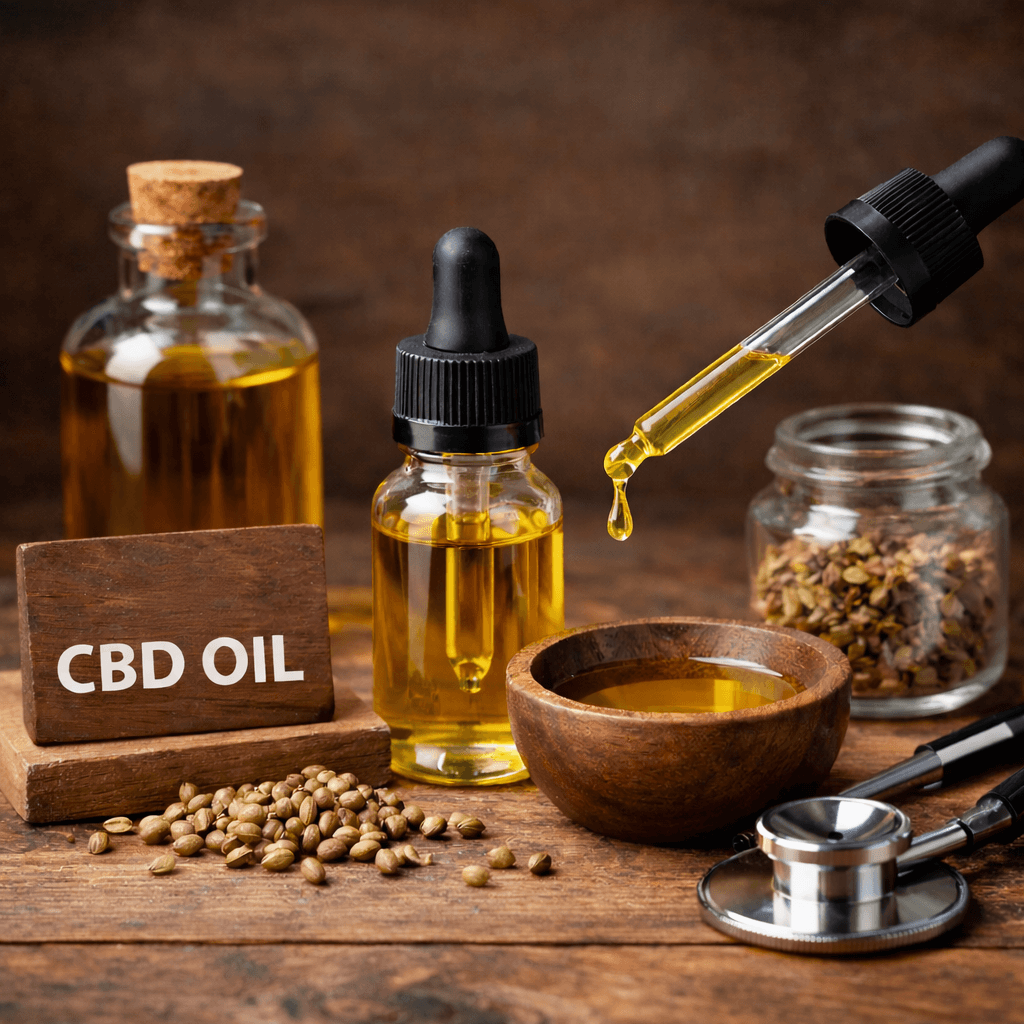
The CBD oil industry has witnessed explosive growth recently, moving from being a niche wellness trend to a multi-billion-pound global phenomenon. As demand for natural health products rises, so has the number of individuals capitalizing on the CBD oil market by selling products online, in physical stores, or through a hybrid approach.
However, despite the tremendous growth in the CBD oil industry recently, one major factor continues to be the biggest barrier to its growth. The factor is the inability of merchants to get reliable payment systems as the traditional banking sector considers CBD oil to be a high-risk product.
This is where Paytriot Payments comes into play. As a high-risk merchant account specialist and payment gateway, Paytriot has earned a reputation for serving industries normally declined by mainstream payment processors, such as CBD oil.
Understanding the Basics
Before going into the nitty-gritty of CBD oil payment processing, it is essential to grasp exactly what a merchant account and payment gateway are and why a CBD oil business cannot use existing mainstream payment systems.
A merchant account is a bank account that enables a business to accept card payments. When a client pays by debit or credit card, money is transferred through a series of intermediaries before landing in the business owner's bank account. The merchant account is essentially the central figure in this process, acting as a "holding vessel" in which the money is transferred.
A payment gateway, on the other hand, refers to the technology used to enable the secure transfer of card information from the customer, through the merchant's site or terminal, and finally to the processor. It is essentially the digital equivalent of a card reader.
For most types of businesses, these two systems operate seamlessly and in the background. However, for CBD-based businesses, the problem starts from the very first step of finding a bank willing to sponsor the merchant account in the first place.
Why CBD Is Treated Differently?
CBD, or cannabidiol, is a compound found in the hemp plant that is known for its non-psychoactive effects. Unlike its close relative, THC, or tetrahydrocannabinol, CBD does not give the user a 'high' and is therefore legal for sale in the UK and the rest of Europe, as long as it is derived from approved strains of industrial hemp and contains less than 0.2% THC.
Financial institutions perceive CBD, despite its legality, in a grey area. Because it is so close to cannabis, which is a controlled substance, it is often treated like a 'high-risk' substance by the acquiring banks, which is a major problem.
Standard payment providers and the majority of high-street bank merchant services will either decline the application outright or, having processed the application, will close the merchant account without warning the merchant upon discovering the type of business.
This leaves the CBD business without the ability to process card payments, which, in the current retail environment, equates to the business not being able to trade at all online.
Paytriot's Specialist CBD Merchant Account Looks Like
A specialist CBD merchant account is designed with the CBD industry's specific characteristics in mind. A merchant account is not like an ordinary account, as it is designed with special features and protection to accommodate the complexity of high-risk processing
1) Higher chargeback limits to account for the industry’s less developed state
2) Rolling reserve provisions to protect the bank in case of risk
3) Multi-currency capabilities to accommodate international sales
4) Advanced fraud prevention capabilities, specifically designed for online CBD retailers
5) Volume limitations that can be scaled to accommodate the business’s growth potential
6) Integrations with most e-commerce platforms
Why is CBD oil Considered High-Risk, And Why do Businesses struggle to get payment processing?
The High-Risk Classification Explained
The term 'high-risk' in the context of payment processing doesn’t automatically imply the product or service is unlawful, hazardous, or unethical. The term is essentially a risk management categorization adopted by acquiring banks, as well as card brands like Visa and Mastercard. This categorization is based on product categories considered riskier than the rest.
For CBD oil, the product has multiple risk factors, which is why it is considered high-risk by the vast majority of mainstream financial institutions. By understanding the different risk factors associated with CBD oil, CBD business owners can approach the application process strategically.
Regulatory Complexity
One of the main reasons why CBD is classified as high-risk is the regulatory complexity associated with selling CBD across various jurisdictions. For instance, within the United Kingdom, CBD food supplement companies are currently required by the Food Standards Agency (FSA) to possess a valid novel food authorisation.
Meanwhile, within the European Union, there are varying regulations from country to country. Finally, within the United States, there is significant complexity within federal laws, even while many states within the country have legalised the sale of CBD.
The regulatory complexity poses an indirect risk to acquiring banks that deal with CBD merchants who sell across multiple countries. This is because the acquiring bank would indirectly face the regulatory risks of all countries to which the merchant sends goods.
A simple regulatory violation, incorrect labelling, or even making claims that imply the merchant's goods possess certain medical benefits, or even sending goods to a country where CBD is illegal, would pose a significant reputational and regulatory risk to the acquiring bank.
Elevated Chargeback Rates
CBD businesses face a high rate of chargebacks. This is because of several factors. First, the consumer buying CBD online may be a first-time buyer. As a result, they might not entirely understand the nature of the transaction. Secondly, the consumer might buy a product that does not yield the expected outcome.
Thirdly, the subscription-based business model common in the CBD industry might lead to chargebacks. This is because the consumer might forget that they subscribed to the service or might find it difficult to unsubscribe.
Chargebacks impose a huge cost on acquiring banks. As a result, when the rate exceeds the Visa/Mastercard threshold of 1%, the acquiring bank faces a fine. It might even face the danger of losing the right to process payments for the entire industry. This cost exposure is the major reason why the majority of standard providers reject CBD businesses.
Reputational Risk
Despite increasing public acceptance over the past few years, there remains some level of reputational risk associated with CBD due to its link to cannabis. Banks are heavily scrutinized by the public and regulatory agencies, and many are hesitant to deal with any industry that is even remotely related to cannabis. This is true even in the face of overwhelming evidence of the legality and non-psychoactivity of CBD.
Product and Marketing Compliance Challenges
CBD businesses face challenges related to the strict regulations governing the marketing of their products. For example, the law prohibits the sale of CBD products as medicines unless the business has acquired the necessary licensing from the MHRA.
Making claims about the ability of the business’s products to treat anxiety, pain, or insomnia, among other conditions, without the necessary licensing constitutes a regulatory compliance challenge.
Acquiring banks are aware of the regulatory challenges faced by CBD businesses. For example, the acquiring bank monitors the websites of merchants to check for compliance issues such as health claims. As a result, the acquiring bank terminates the account of a merchant who makes such claims.
Why This Creates a Market Gap and an Opportunity
The net effect of these risk factors is that the legitimate and growing industry is not being served by traditional financial infrastructure. This is the exact gap in the market that high-risk payment specialists like Paytriot Payments are designed to fill.
In the context of CBD merchants, the specialist option is not a compromise, but it is the only sensible option. A specialist understands the risk, has relationships with acquiring banks who are actively supporting the CBD industry, and has the necessary compliance solutions to protect the merchant and the acquiring bank.
Who We Are
At Paytriot, we specialise in providing secure and reliable merchant accounts and payment gateway solutions for high-risk industries, including the CBD oil sector. We understand the regulatory landscape, compliance challenges and processing complexities that CBD businesses face on a daily basis.
Our approach is built on transparency, long-term banking relationships and tailored solutions rather than one-size-fits-all systems. We work closely with reputable acquiring banks that actively support the CBD industry, helping legitimate businesses secure stable payment processing without the constant risk of sudden account closures.
Whether you operate online, in-store, or across multiple markets, Paytriot provides scalable solutions designed to grow with your business. Our goal is simple: to ensure your payment infrastructure supports your success, not restricts it.
Ready to accept Crypto Payments?
Join thousands of UK and European merchants using Paytriot to power their online checkouts. Get set up with a merchant account in 24 hours.
Get Started Now